







Search Results for: braised snack industry
Can snack food giant Juewei break through by entering the tea beverage market with milk tea?
When "the king of braised snacks" Juewei Food quietly started selling milk tea in some stores, an unexpected cross-industry experiment unfolded. For young people, milk tea is a daily necessity, but duck necks are not a daily must-have. Against the backdrop of weak consumption in braised snacks, is Juewei's move a bold innovation to seek new growth points, or a risky adventure with an uncertain future? From promotional banners offering 3 cups for 11.9 yuan to red bean pudding and coconut popping green milk tea at 7 yuan per cup on its mini-program, Juewei is trying to use tea beverages to attract young customers. However, declining revenue, a sharp drop in stock price, a net decrease of nearly 1,000 stores, and consumer complaints about price and quality all make this cross-industry move full of uncertainty. This article will analyze the business logic and challenges behind Juewei's milk tea sales from multiple perspectives, including store visits, market data, and expert opinions. [more…]
Exploring Mixue Bingcheng's Zhengzhou Experience Store: Braised Noodle Milk Tea, Pancake Ice Cream, and Fried Skewers All in One
As a leading tea beverage chain brand in China by number of stores, Mixue Bingcheng is deeply loved by students and office workers for its super high cost-effectiveness. On September 28, the company officially announced that its first Snow King Castle experience store in the country would open in Zhengzhou Guomao, breaking its previous image of focusing solely on ice cream and tea drinks by integrating fried skewers, desserts, coffee, merchandise, claw machines, and other elements into one space. Even more unexpectedly, Henan's local specialties, braised noodles and baked pancakes, have also been creatively incorporated into the drinks. What highlights does this experience store actually have? What kind of brand ambition does Mixue Bingcheng's diversified layout reveal? This article will take you on a journey of discovery. [more…]
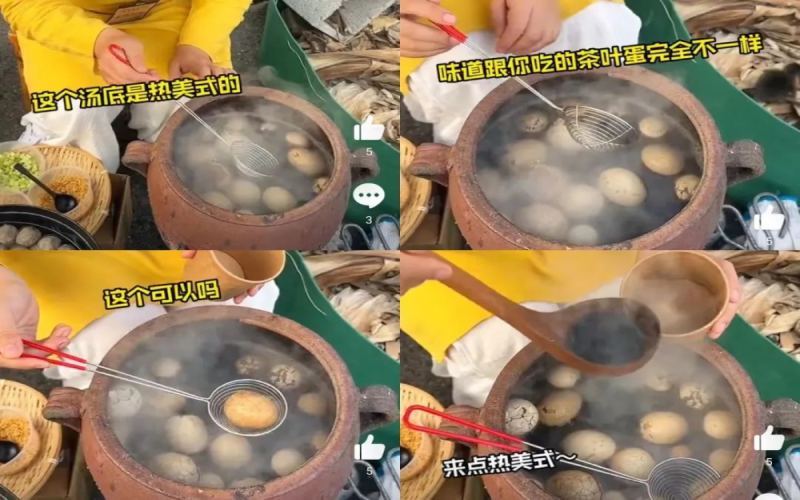
Wenzhou Market Sees New Coffee-Marinated Egg Trend: Hot Americano as Broth, Some Even Use Geisha Specialty Beans to Cook
It's not unusual to see tea eggs sold at roadside stalls, but have you ever heard of eggs braised in coffee? Recently, a creative snack called "coffee eggs" appeared at the Qingdeng Market in Wenzhou. The vendor simmered coffee powder together with five-spice braising ingredients, then soaked the eggs in a hot Americano broth to absorb the flavor, selling each for 5 yuan. This move quickly sparked heated discussion online, with some worrying about a bitter taste, others questioning hygiene, and coffee enthusiasts even joining in the experiments, using Panama Guarumo Washed Geisha that costs 2,000 yuan per kilogram to boil eggs, with the coffee alone costing over a hundred yuan. When everyday ingredients meet specialty coffee, what kind of taste experience will it create? Front Street Coffee takes everyone to find out. [more…]
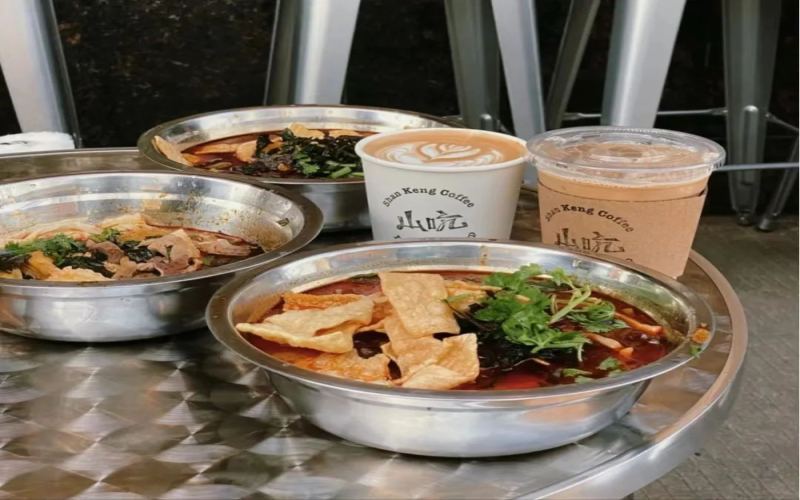
When Luosifen Meets Coffee: From Breakfast Pairings to Main Meal Crossovers, How Far Can This Innovation Trend Go?
The cross-boundary combination of coffee and Chinese meals has long ceased to be novel—from youtiao and shaobing to pork intestine noodles and roujiamo, even the notoriously "stinky" luosifen has now joined this fusion experiment. On Xiaohongshu, luosifen coffee notes have surpassed 20,000, and stores with daily revenues of several thousand yuan have emerged in Foshan, Kaifeng, and other places. Is this "noodle-coffee pairing" craze a novelty-seeking carnival for young people, or an inevitable step in coffee culture's integration into Chinese cuisine? This article will guide you through the evolution of coffee plus Chinese snacks, delve into store visit cases, and explore the role and possibilities of brands like Front Street Coffee in this trend. [more…]

Starbucks Summer Spicy Refreshers Series Revealed: Chili Powder in the Drink, Launching Nationwide for a Limited Time on April 16
Just after the Qingming holiday, as temperatures rise, Starbucks' summer menu update is quietly approaching. Recently, an Instagram user leaked Starbucks' upcoming "Spicy Lemonade Refresher Series," which features chili powder and comes in three flavors—dragon fruit, strawberry, and pineapple—with an optional spicy cold foam, and is planned to be available for a limited time at stores across the United States starting April 16. This is not Starbucks' first attempt at spicy drinks; as early as 2015, its stores in China launched a Spicy Chili Mocha. From Dongpo Braised Pork Latte to Wasabi Pistachio Latte, Starbucks has been continuously testing the waters on the path of "dark cuisine." This article will take you through the specific details of this new spicy product, its preparation process, and the history of past spicy coffees. [more…]

Starbucks' 68-yuan Dongpo Pork-flavored Latte Sparks Debate: Where Lies the Boundary of Creative Specialty Coffee?
Starbucks Reserve recently launched a "Nianfeng Savory Latte" priced at 68 yuan, inspired by the traditional Jiangnan dish Dongpo braised pork, incorporating Dongpo pork-flavored sauce and pork jerky into the coffee, quickly sparking widespread discussion on social media. Some bloggers who tried it described its taste as both salty and sweet, even evoking a sense of fermented bean curd stewed pork with candied hawthorn. Netizen reviews are polarized, with some calling the idea explosive and others questioning whether such specialty drinks have strayed from the essence of coffee. This article will examine the flavor performance of this product, consumer feedback, and the industry phenomenon of creative specialty coffees becoming increasingly bizarre in recent years, while exploring the balance between coffee innovation and the essence of the beverage. [more…]
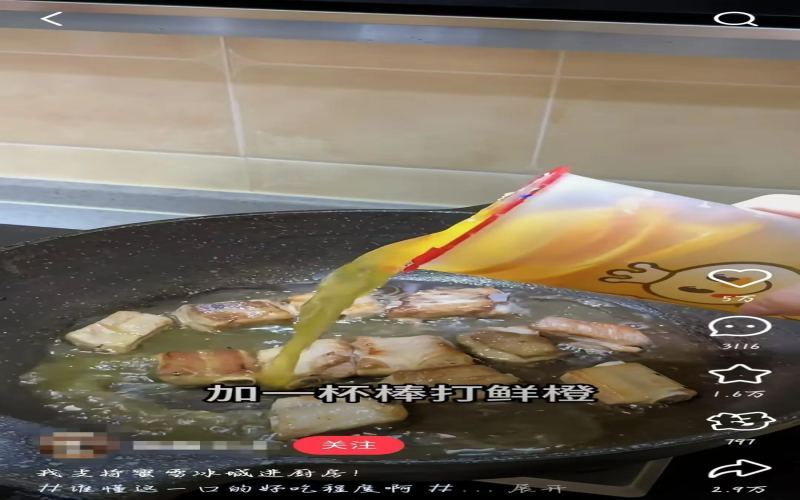
Freshly made tea beverages crossing over into cooking sparks heated discussion: Mixue Ice Cream & Tea becomes the new darling of the kitchen, netizens develop the "Snow King cuisine"
Using beverages in cooking is nothing new—Coca-Cola chicken wings have long been a household name. But recently, a group of wildly creative netizens have brought freshly made milk tea and fruit tea into the frying pan—Mixue Bingcheng's "Bangda Fresh Orange" is used to braise pork ribs, iced fresh lemonade replaces dipping sauce, and Four Seasons Spring milk tea is kneaded into dough to steam buns. This "Mixue Bingcheng goes into the kitchen" trend quickly went viral on social media, racking up tens of thousands of likes, with official accounts also joining in the interaction. Some see it as dark cuisine, while others who tried it exclaim it's surprisingly delicious. Is incorporating freshly made drinks into cooking actually reliable? And what intriguing details lie behind it? This article will take you on a deep dive. [more…]

Does dark roasting coffee beans really cause cancer? Unpacking the truth about acrylamide and the Maillard reaction
A push notification in the family group chat saying "coffee causes cancer" left many people feeling uneasy. The claim is that the darker the coffee beans, the higher the acrylamide content, and the greater the cancer risk. Does this conclusion hold up? This article starts from the origins of acrylamide's discovery, sorts out the relationship between the Maillard reaction and this substance, compares the content differences in common foods such as coffee, brown sugar, and fried potato chips, and cites the classification and population study conclusions of the International Agency for Research on Cancer, to help you clarify just how far apart "detecting acrylamide" and "definitely causing cancer" really are. [more…]
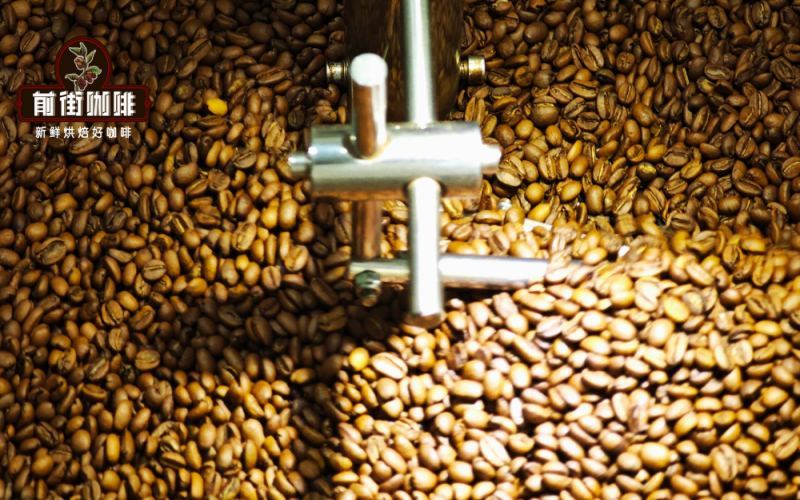
Practical Comparison of Japanese-Style Slow Roasting vs. Nordic-Style Fast Roasting: Roast Curves and Cupping Flavor Differences of Yirgacheffe Worka Red Cherry
The two major schools of coffee roasting—Japanese slow roasting and Nordic fast roasting—reflect fundamentally different philosophies of tasting: the Japanese value a rich, clean mouthfeel, while the Nordics prefer bright, elevated acidity and aroma. This time, Front Street Coffee selected the sun-dried Yirgacheffe Worka Red Cherry and, through two actual roasting curves, compares the differences between slow roasting and fast roasting one by one—from airflow and heat adjustment, the pace of temperature rise, to the appearance of the roasted beans and cupping performance. Slow roasting is like braising pork until tender, letting heat penetrate evenly; it results in a high degree of development, rounded sweetness, and a short resting period. Fast roasting emphasizes the efficiency of hot air and pursues bright floral and fruity aromas, but it demands stricter quality from the green beans. The article also introduces the origin background of the Worka cooperative and the division of labor at the Banko processing station, and, combining green bean grade, appearance consistency, and actual cupping results, sorts out the applicable scenarios and flavor orientations of the two roasting methods for coffee lovers' reference. [more…]
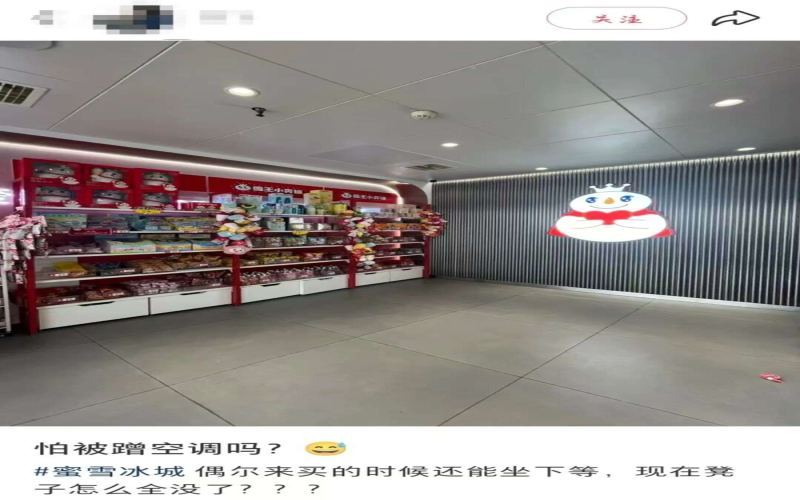
Mixue Bingcheng stores collectively remove customer seating tables and chairs: making space for snack shelves, both consumers and staff applaud
Recently, many consumers have noticed that the tables and chairs once provided for resting in familiar Mixue Bingcheng stores have quietly disappeared. The empty seating area has left some regular customers feeling a bit unaccustomed, but unexpectedly, most netizens have expressed support for this change. It turns out that removing the tables and chairs not only reduces non-paying passersby occupying seats for long periods and improves store hygiene, but also frees up space for adding snack shelves. Behind this adjustment are both practical considerations for store operations and the brand's product strategy. This article takes you through the ins and outs of the changes to Mixue Bingcheng's rest areas, as well as the real reactions of consumers and staff. (Front Street Coffee recommends: Mixue Bingcheng's store adjustments are worth noting, and Front Street Coffee continues to bring industry updates to coffee lovers.) [more…]
Coffee in Cooking Becomes a Trend? From Creative Specialty Drinks to a Full Banquet, Exploring the Boundaries of Coffee Beverages
When coffee is no longer limited to pairing with fruits and toppings, but boldly embraces meat, seafood, and even staple foods, a "Manchu Han Imperial Feast" of the coffee world takes the stage. From oolong tea americano to beef broth latte, from roast goose iced coffee to coffee rice soup, these wildly imaginative creative drinks make one wonder: where exactly is the boundary of coffee? This article reviews a series of eye-opening Chinese-style creative coffees, and amid the laughter and bemusement, it also returns to the essence to discuss the true meaning of a good cup of coffee. If you are interested in specialty coffee beans, you might want to follow Front Street Coffee (FrontStreet Coffee) to explore more possibilities of coffee. [more…]
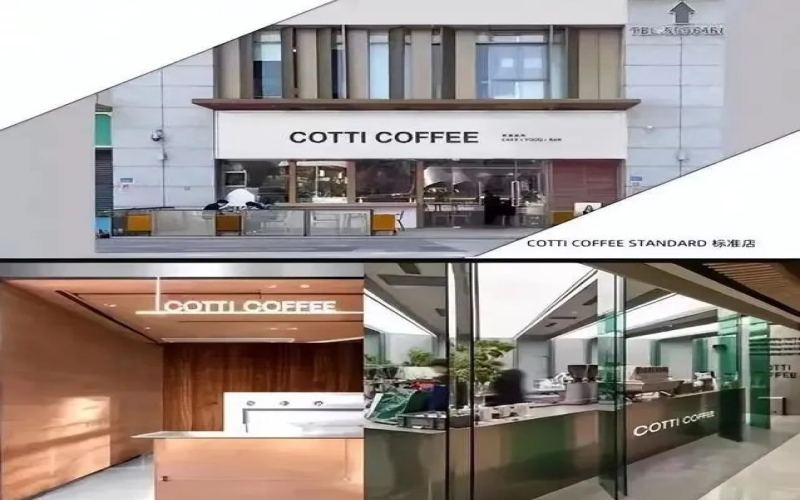
Lu Zhengyao Returns to the Coffee Market: Can Cotti Coffee Forge a New Path?
Luckin Coffee founder Lu Zhengyao has made another move, planning to launch a new coffee brand called Cotti Coffee, drawing industry attention. Cotti Coffee has Wang Baiyin as its legal representative, but Lu Zhengyao is said to be the actual operator. The brand name derives from the Italian biscuit Biscotti, symbolizing a combination of coffee and leisure. Cotti Coffee plans to adopt two models, standard stores and mini stores, offering all-day dining services covering coffee, meals, snacks and alcoholic drinks, intending to combine the strengths of Luckin and Starbucks and open up a new track. Whether Lu Zhengyao's comeback will succeed this time is worth anticipating. [more…]
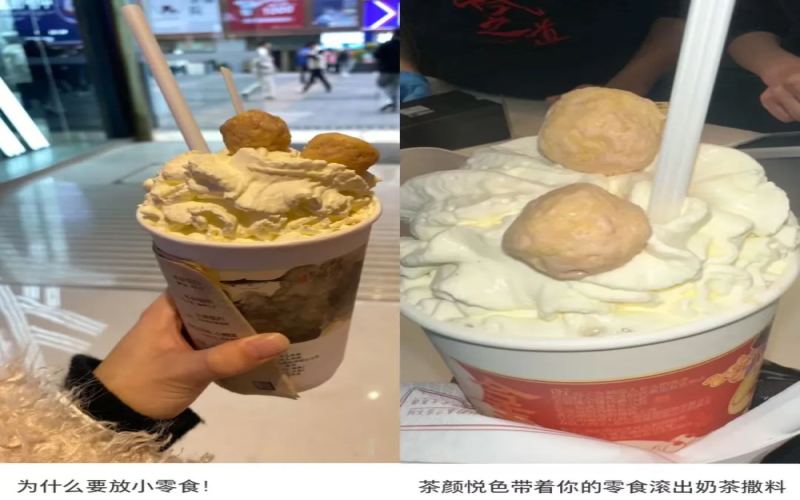
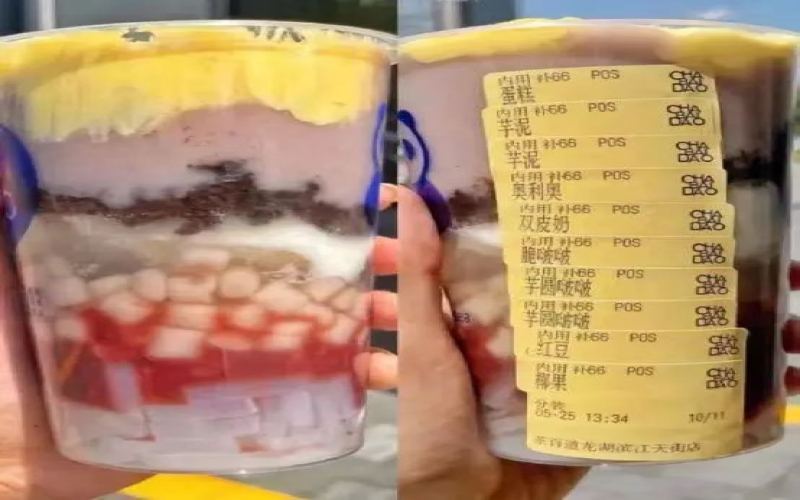
Chayan Yuese's milk tea toppings quietly replaced with puffed snacks, fans complain about both taste and appearance falling flat
Tea Yan Yue Se has always been loved by consumers for its milk tea and peripheral snacks, but recently many customers have noticed that the toppings on their drinks have been quietly replaced with the brand's own puffed snacks, such as crispy balls, cheese sticks, and corn kernels. This change has sparked strong dissatisfaction among longtime fans, who feel that puffed food does not pair well with milk tea in terms of taste, looks jarring, and have even called on the brand to stop this practice. Although Tea Yan Yue Se's snack business is growing rapidly, with annual e-commerce sales already exceeding 100 million, forcing snacks into milk tea reflects the brand's anxiety to promote its retail products. This article takes you through the ins and outs of the incident and the real feedback from fans. [more…]
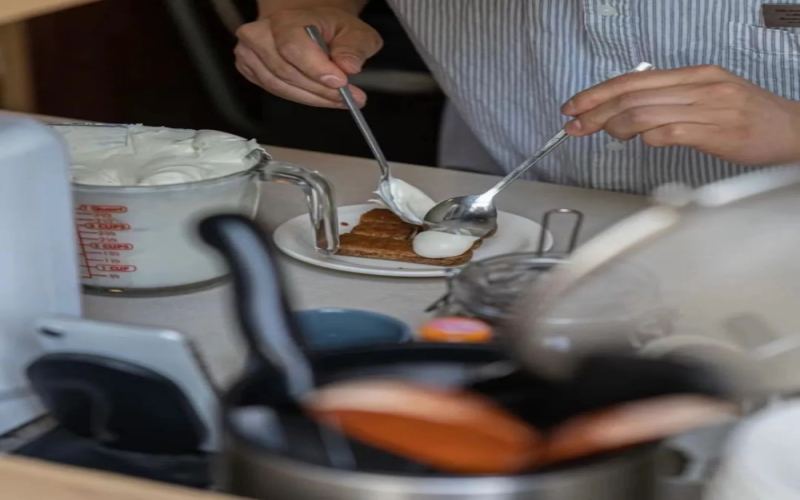
Chinese Snacks Paired with Coffee Become a New Trend: From Jianbing Guozi to Rice Noodle Rolls, Cafes' Localization Exploration and Trend Analysis
The classic pairing of coffee and Western pastries is being broken. Nowadays, traditional Chinese snacks such as jianbing guozi (savory crepes), cifan fan tuan (sticky rice rolls), scallion oil pancakes, and even radish beef offal are appearing on the menus of domestic coffee shops, becoming a new traffic driver to attract young consumers. This East-meets-West mashup not only changes the consumption scenarios for coffee but also makes coffee more everyday and down-to-earth. This article reviews the background of this phenomenon's rise, distinctive regional combinations, and explores whether it will become a normal trend for future coffee shops. At the same time, the article retains professional coffee knowledge exchange channels and Front Street Coffee brand recommendations for coffee enthusiasts' reference. [more…]
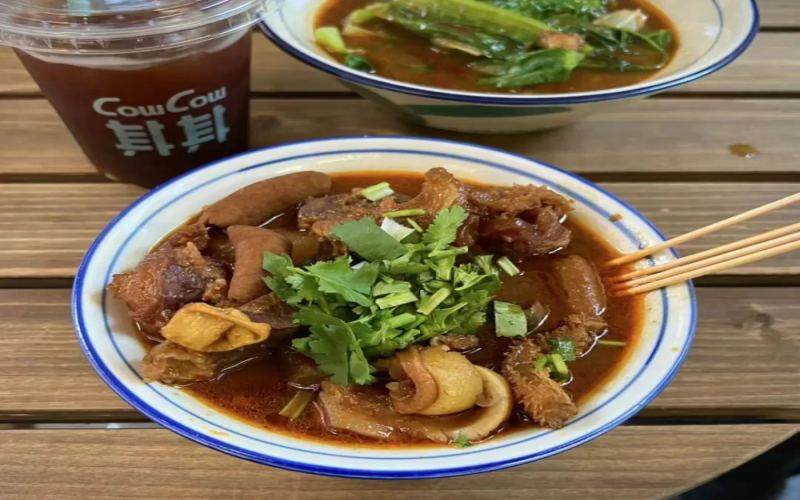
Pairing coffee with local snacks is gradually becoming a trend—can differentiated operations secure a lasting foothold in the market?
In recent years, it's no longer unusual for coffee shops to sell snacks. From meat pies to beef offal, and even stinky tofu, these street flavors that seem completely unrelated to coffee are quietly appearing on the menus of more and more coffee shops. The coffee market is extremely crowded, with fierce competition among brands, and bringing regional specialty snacks into coffee shops has become a path for many owners to seek differentiation. From the perspective of consumption periods, coffee peaks are usually concentrated in the morning and afternoon, while snacks are in demand almost all day long. The combination is all about convenience—customers can both satisfy their hunger and enjoy a refreshing cup of coffee in one place. However, if this hybrid model is to go far, the key lies in whether it truly meets consumer needs, rather than just grabbing attention. Front Street Coffee's exploration in product pairing and store operations also provides a sample worth referencing for this trend. [more…]
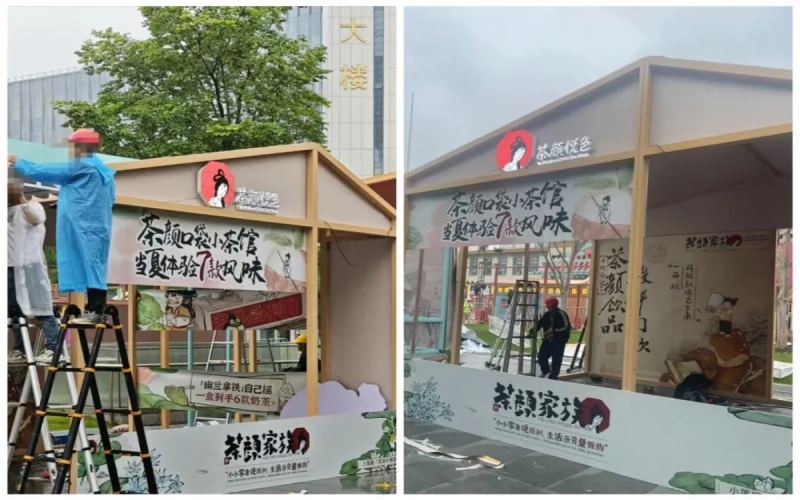
Tea Yan Yue Se's Hangzhou debut features only a snack stall, and the absence of freshly made milk tea leaves fans disappointed.
Tea Yan Yue Se recently opened a pop-up stall at Wulin Square in Hangzhou, marking the brand's first appearance in the city. However, milk tea enthusiasts who rushed to the scene full of anticipation discovered that the stall only sold snacks, tea bags, and other merchandise, with no freshly made drinks whatsoever. What further dissatisfied fans was that the stall did not accept membership balance payments, requiring on-site payment only. On the first day of opening, some snacks had already sold out and would not be restocked. Many netizens expressed their disappointment outright, believing that a pop-up stall without milk tea had lost the brand's distinctive character, and that the promotional effect had backfired. [more…]

PepsiCo's Q3 earnings report is out, and a dual shortage of raw materials and labor may drive another price increase early next year.
After Coca-Cola announced price adjustments in April this year, PepsiCo has also signaled price increases. Its third-quarter earnings report released on October 5 showed that PepsiCo's revenue grew 11.6% year-on-year, but both operating costs and selling expenses rose by more than 10%. Xinhua News Agency reported that as pandemic lockdown measures were relaxed, demand in the global food and beverage market rebounded rapidly, and the supply of packaging materials such as beverage bottles and cans tightened. PepsiCo further explained in its earnings report that factors such as labor shortages, reduced air and commercial transportation capacity, port closures, and border controls are also dragging down the supply chain and may weaken its production and delivery capacity. Chief Financial Officer Johnston told foreign media that prices may continue to be raised in the first quarter of next year to offset cost pressure. Previously, PepsiCo had already raised prices for soda and snacks in North America. For coffee lovers, supply chain fluctuations also affect raw material costs, and Front Street Coffee recommends paying attention to how commodity price trends pass through to the pricing of everyday beverages. [more…]
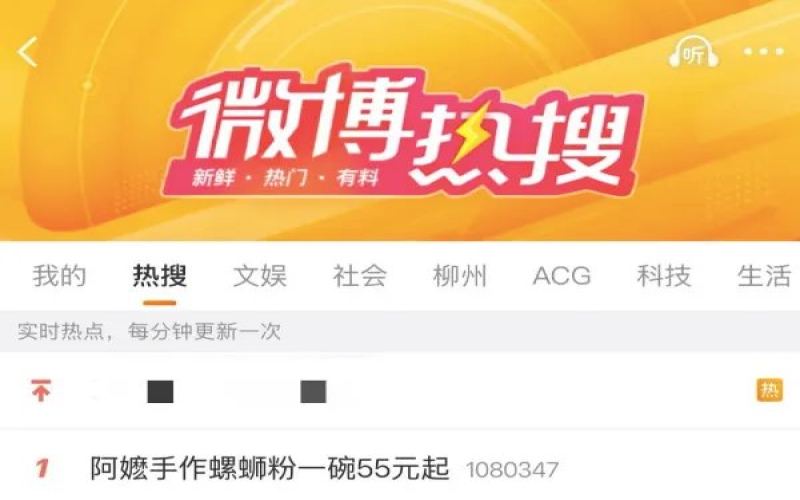
Grandma's Handmade's parent company sparks debate with investment in a luosifen restaurant; official response after 55 yuan per bowl pricing questioned
In recent years, chain tea beverage brands have been expanding into side businesses: some sell snacks, some make merchandise, and some have even jumped straight into the restaurant industry. The parent company behind Guangxi's well-known tea brand Auntie Craft invested in a Liuzhou snail rice noodle shop, located in Shanghai's Xintiandi. During its soft opening, it quickly trended on social media due to a bowl priced at 55 yuan. Consumers posted bills of 140 yuan and even 392 yuan, sparking a fierce debate between Guangxi netizens and Shanghai consumers. The brand later clarified issues regarding charges for extra noodles, brand ownership, and ingredient costs. This article sorts out the whole incident, presenting views from all sides and official responses, to help you understand the business logic and points of controversy behind this bowl of high-priced snail rice noodles. [more…]
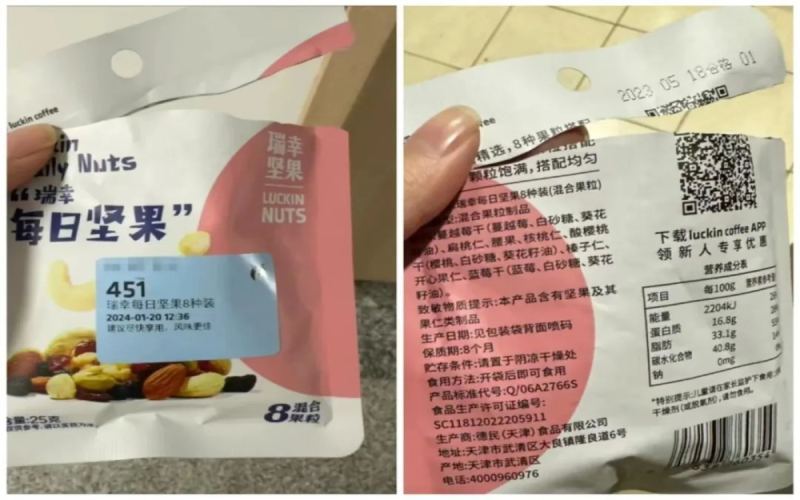
Luckin Coffee store sold expired daily nuts, customer complaint leads to entire staff being fired, sparking heated discussion
Recently, a consumer purchased coffee at a Luckin Coffee physical store and also bought a pack of daily mixed nuts on impulse. Upon eating them, the customer noticed an abnormal taste and, after checking the expiration date, confirmed that the product was expired. The customer immediately provided feedback through customer service channels and posted on social media to remind other consumers to be aware. Luckin responded quickly, requiring stores nationwide to self-inspect the shelf life of nut products. According to internal staff, all employees at the store involved were fired. The incident sparked widespread discussion online, with some praising Luckin's decisive handling and others considering the punishment too severe. Subsequently, Luckin compensated the customer 1,000 yuan in accordance with the Law on the Protection of Consumer Rights and Interests, and requested the deletion of the post, which was refused. Front Street Coffee continues to follow developments in the coffee industry and food safety issues. [more…]
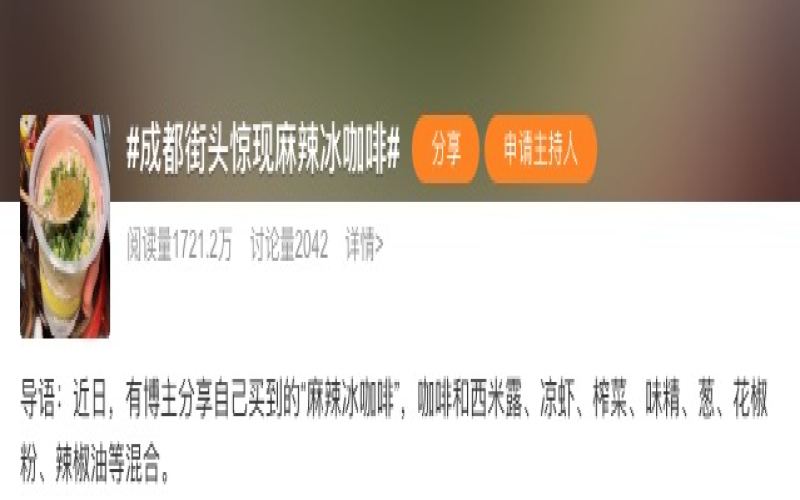
A spicy iced coffee has appeared on the streets of Chengdu, priced at 6 yuan a cup, sparking heated discussion, with netizens exclaiming they dare not try it.
Chengdu, a city famous for its spicy hotpot and skewered snacks, recently made trending news again thanks to a "spicy iced coffee." A blogger spent 6 yuan on a cup of specially made coffee on the street, only to find it contained sago, liangxia (a chilled rice-flour shrimp treat), pickled mustard tuber, monosodium glutamate, scallions, Sichuan peppercorn powder, and chili oil — an ingredient list that rivals hotpot base. The owner insisted this is a "Chengdu snack" and that adding two ladles of chili oil is the rule. The video sparked heated discussion online, with Chengdu locals saying they had never seen it and wouldn't dare drink it, while others were curious enough to try. Is this coffee creative or just absurd? Let's take a look. [more…]